
Small Steps to Wellness
Explore our resources designed to support your journey towards a healthier you, without the stress of perfection. Discover simple tools and strategies to cultivate real, lasting change in your life.
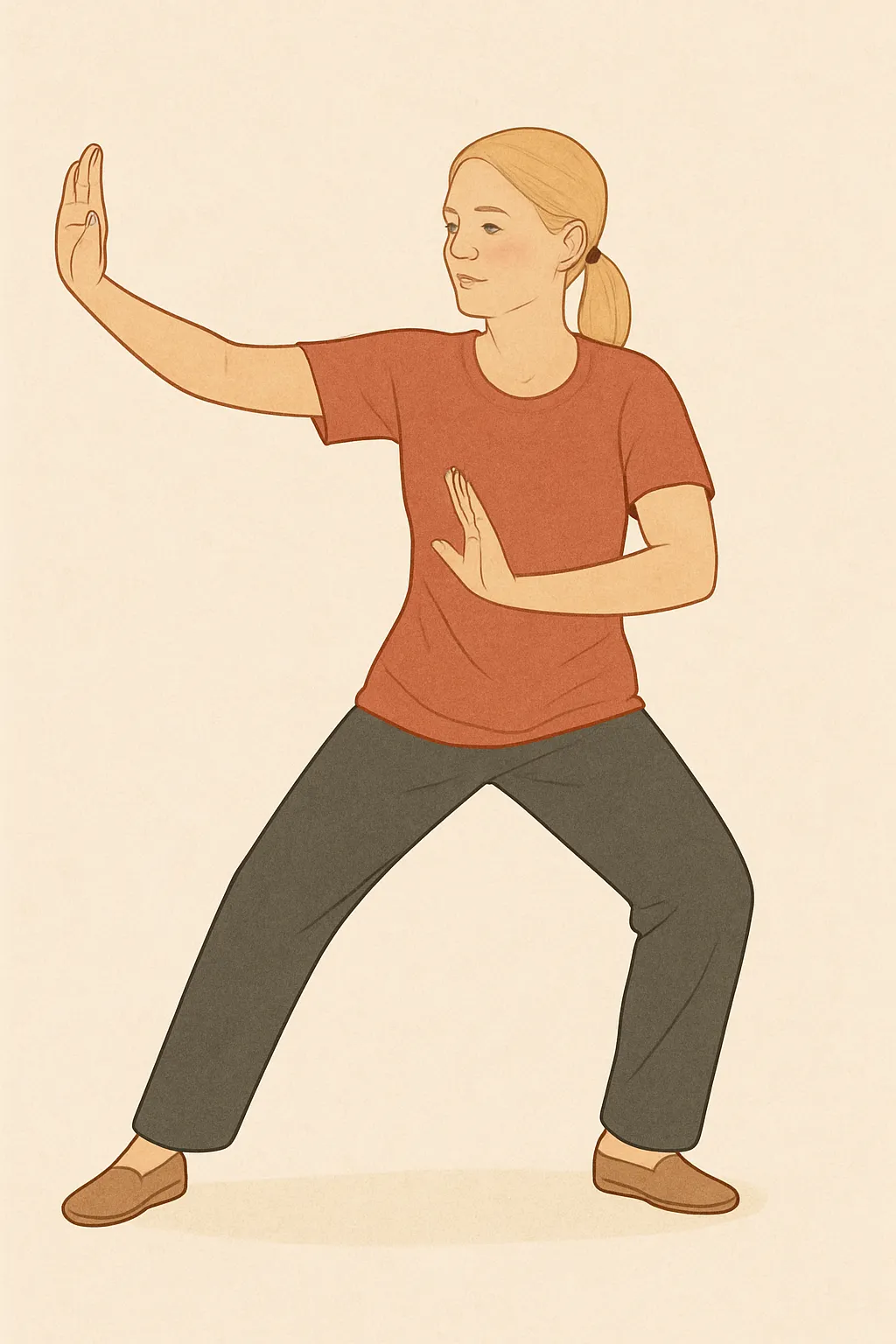
New Research Shows Tai Chi Can Improve Long-Term Sleep
Most people know what it feels like to lie in bed wishing their mind would slow down. When poor sleep becomes a pattern, it affects everything from mood and energy to motivation and overall well-being. My Tai chi instructor and I both sleep better on the days we practice. A new study helps us understand why.
A 2025 BMJ study followed 200 adults aged over 50 who were living with long-term insomnia. The researchers compared Tai chi with cognitive behavioural therapy for insomnia (CBT-i), which is the current first-line treatment. Both groups attended two classes a week for three months, then were followed for a full year. The research paper is attached to the subscriber's email.
What the study found
CBT-i works faster, but Tai chi steadily catches up
After the first three months, the CBT-i group showed stronger early improvements. This makes sense because CBT-i directly targets thoughts, habits and bedtime routines.
However, the Tai chi group kept improving well after the classes ended. By the 12-month mark, both groups were sleeping at similar levels. In research terms, Tai chi was considered non-inferior to CBT-i for long-term sleep improvement.
A few results stand out:
A large number of people in the Tai chi group no longer met the criteria for insomnia at the one-year follow-up.
Sleep quality, mental health and general well-being improved in both groups.
No safety issues were reported.
These findings show that Tai chi may work more slowly at first, but the benefits continue to build over time.
Why Tai chi helps with sleep
Tai chi combines slow movement, breathing and mindful awareness. The study and earlier research highlight a few key reasons it supports better sleep:
It reduces physical tension and helps quieten the body.
It lowers stress and calming the nervous system.
It reduces inflammation, and these changes seem to build gradually over months.
The mindful nature of Tai chi can reduce worry, overthinking and evening restlessness.
Together, these shifts help the body do what it needs to do at night: move out of alert mode and into rest mode.
A simple way to start this week
If you are finding sleep difficult, Tai chi is a gentle and accessible option. You do not need to know the full sequence. Even ten minutes of slow movement or breathing can help settle your system.
You might try:
a short Tai chi video
a few slow upper-body movements
or a simple breathing practice before bed
find a local Tai Chi class
The most important part is consistency. Small, regular practice can make a meaningful difference over time. This study shows that even when progress feels gradual, the benefits continue to grow and support long-term sleep health.

Stay Updated with Us!
Subscribe to our newsletter for helpful tips and the latest insights on wellness. No spam, just valuable content to help you on your journey towards better health.
STAY CONNECTED


GET IN TOUCH
SUBSCRIBE TO OUR WELLNESS EMAILS
LEGAL
© GG Clement 2026. All Rights Reserved.